Filling and transferring liquid nitrogen is one of the most common tasks for anyone who uses it, and one of the moments when people are most exposed to it. Liquid is moving, vessels are open, hoses and fittings are cold, and nitrogen gas is being released. This article sets out the general principles of liquid nitrogen transfer safety: the equipment, environment, PPE, preparation and training that make filling and transfer safer.
It is general guidance, not a procedure. Always follow the instructions supplied with your equipment, your site’s procedures and your own risk assessment.
Why Filling and Transfer Need Extra Care
- Splashing: liquid nitrogen boils at about −196 °C. When it meets warmer surfaces, such as a receiving vessel or transfer line, it boils vigorously and can splash.
- Cold surfaces: hoses, fittings, funnels and vessel necks become extremely cold and can cause cold burns on contact.
- Gas release: more nitrogen gas is released during filling than during storage, which increases the oxygen-depletion risk in enclosed spaces.
- Pressure: liquid trapped in a closed section of hose or pipe can build up pressure as it warms.
1. Use Suitable, Compatible Equipment
- Use vessels designed for cryogenic liquids. Ordinary flasks, bottles and household vacuum flasks are not suitable and may crack or shatter.
- Use transfer equipment intended for cryogenic use, such as hoses, funnels and fittings designed for liquid nitrogen. Many ordinary plastics and rubbers become brittle at cryogenic temperatures.
- Use equipment that matches the supply vessel. A pressurised liquid cylinder and an open-neck container are filled and emptied in different ways; use the fittings and method the supplier specifies.
- Never improvise connections or adapt fittings that were not designed to work together.
- Never seal a receiving vessel that is not designed to be closed. Evaporating gas must be able to escape.
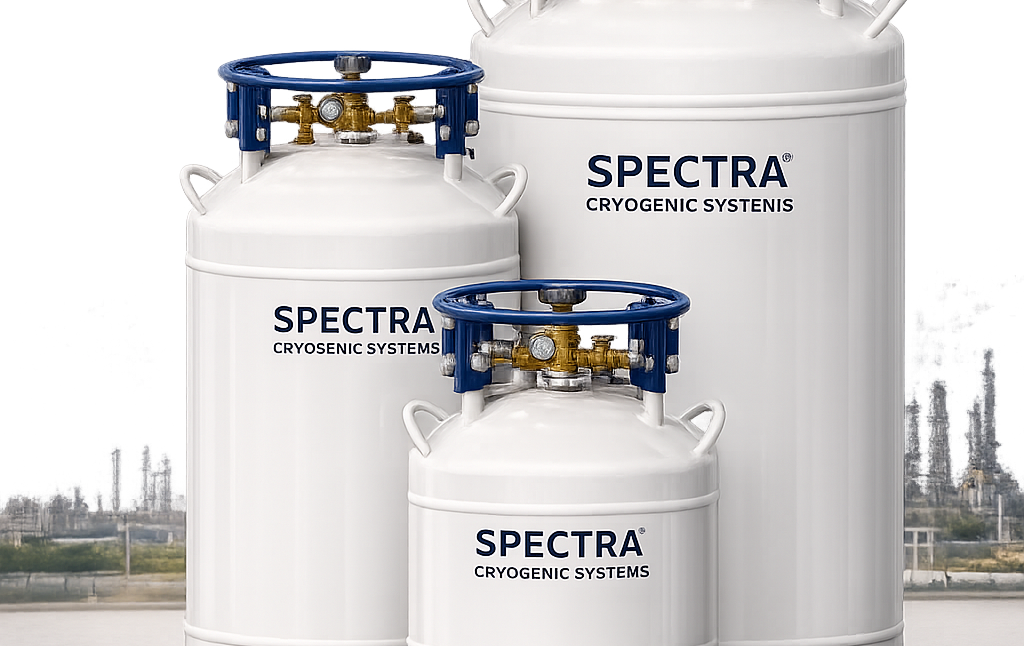
If you use a liquid cylinder as your on-site supply, make sure everyone who uses it is familiar with its valves, gauges and relief devices.
2. Inspect Before You Start
- Check the supply vessel and receiving vessel for damage, frost on the outer body or other signs of a problem.
- Check hoses and fittings for wear, cracks or damage.
- Check that pressure-relief devices are not blocked or tampered with.
- Check that PPE is present and in good condition.
- If anything is damaged or unusual, do not proceed. Report it and use other equipment.
3. Choose the Right Place
- Fill and transfer in a well-ventilated area, never in a small enclosed room, cupboard or vehicle.
- Keep the area clear, with stable footing and enough space to work without reaching over vessels.
- Keep the receiving vessel on a stable, level surface.
- Keep doors and escape routes clear.
The oxygen-depletion hazard is explained in Oxygen Depletion Risk When Using LN2 Indoors.
4. Wear Appropriate PPE
For filling and transfer work, typical cryogenic PPE includes:
- a face shield worn over safety goggles;
- insulated cryogenic gloves, loose enough to remove quickly;
- a cryogenic apron;
- full-length clothing, with trousers worn outside closed shoes.
Spectra Cryogenic Systems supplies cryogenic safety equipment, including cryogenic gloves, face shields, safety goggles, aprons and protective clothing.
5. Keep the Transfer Controlled
- Go slowly at the start. A warm receiving vessel or line causes more boiling and splashing until it has cooled.
- Do not overfill. Follow the vessel’s guidance on filling levels.
- Stay with the transfer. Do not leave a transfer unattended.
- Keep your face and body away from the opening of the receiving vessel.
- Lower items into liquid nitrogen slowly, using tongs or suitable tools.
- Do not touch cold hoses, fittings or metal parts with unprotected skin.
6. Avoid Unnecessary Exposure
- Transfer only the quantity you need.
- Limit the number of people in the area during filling.
- Plan the task so that vessels are moved as little as possible while full.
- Close supply valves when the transfer is complete, following the equipment instructions, and make sure liquid cannot be trapped in a closed section of hose.
7. Training and Supervision
- Everyone who fills or transfers liquid nitrogen should be trained in its hazards, the equipment they use and the emergency procedure.
- New or occasional users should be supervised until they are competent.
- Written procedures should be available at the point of use.
- Avoid lone working with liquid nitrogen in enclosed areas where possible.
8. Recognise the Warning Signs
- Unusually heavy venting or frosting from a vessel or line.
- Hissing or gas release from an unexpected point.
- Damaged or brittle hoses and fittings.
- Feeling dizzy, short of breath or confused, which may indicate oxygen depletion. Leave the area immediately and raise the alarm.
Common Mistakes to Avoid
- Filling in a small store room because that is where the containers are kept.
- Using a funnel, hose or vessel that was not designed for cryogenic use, which can crack or become brittle.
- Wearing goggles but no face shield while pouring.
- Rushing the start of a transfer before the receiving vessel and lines have cooled.
- Walking away from a transfer to do another task.
- Carrying a full open vessel up stairs or across a busy area.
- Ignoring small warning signs, such as a hose that looks worn or a vessel that frosts unusually.
Frequently Asked Questions
Can I use an ordinary flask to hold liquid nitrogen?
No. Use vessels designed for cryogenic liquids. Ordinary flasks and bottles are not suitable and can crack, shatter or build up pressure.
What PPE is needed for filling liquid nitrogen?
Typically a face shield over safety goggles, insulated cryogenic gloves, a cryogenic apron and full-length clothing with closed shoes.
Why does liquid nitrogen splash when filling starts?
Warm surfaces make the liquid boil vigorously. Filling slowly at first allows the vessel and lines to cool.
Where should liquid nitrogen be filled?
In a well-ventilated area, never in a small enclosed room or a vehicle.
Need Equipment or Liquid Nitrogen?
Spectra Cryogenic Systems Pvt. Ltd. supplies liquid nitrogen, liquid cylinders, liquid nitrogen containers and cryogenic safety equipment. To discuss your requirements, call +91 98290 89936 or email spectracryo@yahoo.com.