
Liquid nitrogen containers are built to be portable, and many users move them regularly: between rooms, between buildings, to field locations or to a refilling point. Every move is a chance for a spill, a knock that damages the vacuum, or exposure to nitrogen gas in an enclosed space. This guide covers the practical principles of transporting liquid nitrogen containers safely, from moving a container across a lab to carrying it in a vehicle.
It is general guidance. Follow the instructions supplied with your container, your organisation’s procedures and any transport regulations that apply to your situation.
What Can Go Wrong During Transport
- Tipping and spills: a container that falls over can spill liquid nitrogen, causing cold-burn risks and rapid gas release.
- Impact damage: knocks and drops can damage the container and its vacuum insulation, shortening holding time.
- Oxygen depletion: nitrogen gas released in an enclosed space, such as a vehicle cabin or a lift, can reduce oxygen levels.
- Sloshing: movement increases evaporation and can splash liquid out of the neck.
- Manual handling injuries: filled containers can be heavy and awkward to carry.
Before You Move a Container
- Check its condition: look for damage, frost on the outer body or a damaged neck. Do not transport a container that appears damaged until it has been checked.
- Check the lid: use the correct loose-fitting lid. Never seal a container to stop spills; evaporating gas must be able to escape.
- Think about fill level: follow the container guidance on how full it should be for transport.
- Plan the route: avoid stairs, steps and uneven ground where possible, and check doorways are clear.
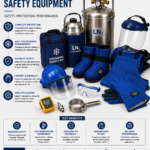
- Wear suitable PPE: cryogenic gloves and eye protection, and closed shoes.
Moving Containers on Site
- Keep containers upright at all times.
- Carry using the handles designed for the purpose, or use a suitable trolley for larger sizes.
- Do not drag, roll or tilt containers.
- Move steadily to reduce sloshing.
- Use ramps or lifts rather than stairs where possible, but see the guidance on lifts below.
- Set containers down gently on a level, stable surface.
Using Lifts
A lift is a small, enclosed space. If liquid nitrogen is released inside it, oxygen levels can fall quickly. Many organisations require that liquid nitrogen travels in a lift without passengers, with someone sending the lift and someone else receiving it at the destination, and with the lift prevented from stopping at other floors. Follow your organisation’s procedure.
Transporting Containers in Vehicles
- Never carry a liquid nitrogen container in the closed passenger cabin of a car or van with people.
- Use a ventilated load area that is separated from the driver and passengers.
- Secure the container upright so it cannot slide, tip or fall during braking or cornering.
- Protect the container from knocks by other items in the load.
- Drive smoothly to limit sloshing.
- Do not leave containers in closed vehicles for long periods.
- Check which transport rules apply to carrying cryogenic liquids by road for your situation, and follow them.
The oxygen-depletion hazard is explained in Oxygen Depletion Risk When Using LN2 Indoors.
Protecting the Container Itself
Liquid nitrogen containers rely on vacuum insulation between the inner vessel and the outer body. Knocks, drops and rough handling during transport are a common cause of damage that affects the vacuum. Signs of a problem after transport include frost or condensation on the outer body and liquid nitrogen running out faster than usual. Our guide LN2 Container Maintenance and Preventive Care explains what to look for. Spectra also repairs liquid nitrogen containers of all brands, including vacuum-related repair.
Field and Remote Use
- Choose a container size that can be carried safely by the people using it.
- Plan refills so the container does not run low while away from base.
- Keep the container shaded and upright at the destination.
- Carry suitable PPE with the container.
Common Transport Mistakes
- Carrying a container in the back seat or footwell of a car.
- Laying a container on its side to fit it into a vehicle or under a bench.
- Taping or tying the lid down to prevent spills.
- Riding in a lift with a liquid nitrogen container.
- Leaving a container unsecured in a vehicle load area.
- Carrying a heavy container alone up stairs.
Transport Checklist
- Container in good condition, correct lid fitted, not sealed
- Appropriate fill level for transport
- PPE worn
- Route planned and clear
- Container kept upright and secured
- No passengers in lifts or closed vehicle cabins with the container
- Applicable transport rules checked
Frequently Asked Questions
Can I carry a liquid nitrogen container in my car?
Not in the closed passenger cabin. Use a ventilated load area separated from people, secure the container upright, and check which transport rules apply.
Can I take a liquid nitrogen container in a lift?
Many organisations require that liquid nitrogen travels in a lift without passengers. Follow your organisation’s procedure.
Should I seal the lid during transport?
No. Use the correct loose-fitting lid. A sealed container can build up dangerous pressure.
Can transport damage a container?
Yes. Knocks and drops can damage the vacuum insulation. If the container frosts or loses liquid faster afterwards, have it inspected.
Containers Built for Your Application
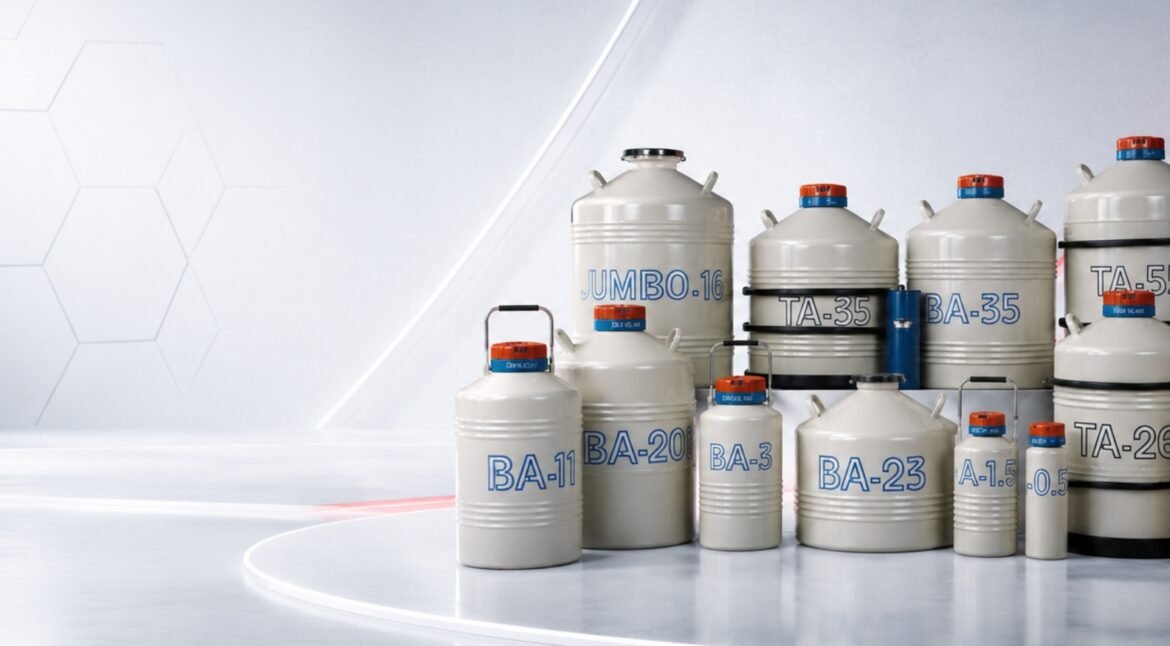
Spectra Cryogenic Systems offers liquid nitrogen containers from 1 L to 51 L, with holding times typically between 15 and 60 days depending on the model. For PPE for handling and transport, see our cryogenic safety equipment. To discuss your requirement, call +91 98290 89936 or email spectracryo@yahoo.com.