
Cryogenic grinding is a size-reduction method used when ordinary grinding struggles: when materials lose aroma, soften, smear or refuse to break cleanly. The idea is simple: make the material very cold before and during grinding. This guide explains what cryogenic grinding is, why cooling is used, the role liquid nitrogen plays, which materials it suits, how a typical process works, and its advantages and limitations.
What Does “Cryogenic Grinding” Mean?
“Cryogenic” refers to very low temperatures. Cryogenic grinding, sometimes called cryo-grinding or freezer milling, is the process of grinding a material after it has been chilled with a cryogenic liquid, most commonly liquid nitrogen. The material is kept cold while it is ground, so it breaks apart in a cold, brittle state instead of warming up in the mill.
The term covers a range of equipment and set-ups. What they have in common is controlled cooling of the material before and during size reduction.
Why Is Cooling Used?
All grinding converts mechanical energy into heat. In a conventional mill, that heat warms the material. For many materials this is acceptable. For others it causes problems:
- Volatile components evaporate: aroma and essential oils in spices and herbs can be lost.
- Heat-sensitive components degrade: some ingredients change when they are warmed.
- Oily materials smear: softened material sticks to surfaces and clogs screens.
- Elastic materials deform: soft polymers and rubbers can stretch rather than break.
Cooling addresses these problems at the source. Cold material is firmer and more brittle, so it fractures more readily, and the heat generated by grinding is absorbed before it can do damage.
The Role of Liquid Nitrogen
Liquid nitrogen is the most widely used coolant for cryogenic grinding. It boils at about −196 °C, so it can remove heat from the material quickly. As it absorbs heat, it evaporates into nitrogen gas, which displaces air in the grinding zone. Nitrogen is largely inert, so this nitrogen-rich atmosphere can help limit oxidation of sensitive materials.
Liquid nitrogen is also convenient: it leaves no residue, because it simply evaporates. A reliable supply and safe on-site storage are, however, essential for any cryogenic grinding operation.
Which Materials Suit Cryogenic Grinding?
Cryogenic grinding is usually considered for materials with one or more of these characteristics:
- Heat-sensitive: quality changes when the material warms during grinding.
- Aromatic: contains volatile compounds that are easily lost.
- Oily or greasy: tends to smear or clog at room temperature.
- Soft or elastic: deforms rather than breaks unless chilled.
Materials commonly discussed for cryogenic grinding include spices, herbs, pharmaceutical materials, dry vegetables and heat-sensitive polymers. Whether a specific material benefits depends on its properties and the result required. For a spice-specific view, see Cryogenic Grinding for Spices: What Processors Should Know.
How the Process Works: A Basic Flow
Every system is different, but a typical cryogenic grinding line follows these stages:
- Feeding: the raw material is fed into the system at a controlled rate, sometimes after a pre-breaking step for larger pieces.
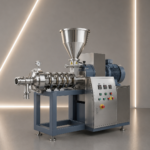
- Cooling: the material passes through a cooling stage, often a screw-type cooler, where it comes into contact with liquid nitrogen and is chilled.
- Grinding: the cold material enters the mill, where it is broken down while still cold. The grinding zone is kept cold by the material and evaporating nitrogen.
- Separation and collection: the ground product is separated from the gas stream, for example with a cyclone and filter, and collected.
- Control: liquid nitrogen flow is controlled to keep the process within the required conditions, supplied from on-site liquid nitrogen storage.
Advantages of Cryogenic Grinding
- Helps limit heat build-up during grinding.
- Helps retain aroma and volatile components in heat-sensitive materials.
- Makes oily and greasy materials easier to grind, with less smearing and clogging.
- Allows some soft or elastic materials to be ground that would otherwise deform.
- Provides a nitrogen-rich grinding atmosphere that can help limit oxidation.
- Can help some materials achieve a finer or more consistent particle size.
Limitations to Consider
- Liquid nitrogen cost: liquid nitrogen is an ongoing operating cost.
- Supply and storage: the process depends on a reliable liquid nitrogen supply and suitable on-site storage.
- Additional equipment: cooling stages, controls and storage add to the investment and floor space.
- Safety requirements: cryogenic liquids bring cold-burn and oxygen-depletion hazards that require ventilation, training and PPE.
- Moisture pick-up: cold powder can attract condensation if it is exposed to humid air before it warms.
- Not always necessary: materials that grind well at room temperature may not benefit enough to justify the cost.
For a direct comparison, read Cryogenic Grinding vs Conventional Grinding.
Where Is Cryogenic Grinding Used?
Cryogenic grinding is used in sectors that process heat-sensitive or difficult-to-grind materials, including food and spice processing, herbal products, pharmaceuticals and processing of heat-sensitive polymers.
Questions to Ask Before Selecting Equipment
- What exactly is the problem with my current grinding: aroma loss, clogging, fineness, or something else?
- Which properties of my material make cryogenic grinding relevant?
- How is the material cooled, and how is liquid nitrogen controlled?
- What liquid nitrogen supply and storage will the system need?
- How is the system cleaned, especially if I process several materials?
- What space, ventilation and utilities are required?
- Can the system be customised for my material?
Frequently Asked Questions
What is cryogenic grinding in simple terms?
It is grinding a material after chilling it with a cryogenic liquid, usually liquid nitrogen, so it is ground while cold and brittle.
Why is liquid nitrogen used?
Liquid nitrogen is very cold, removes heat quickly, evaporates without leaving residue and creates a nitrogen-rich atmosphere in the grinding zone.
What materials are suited to cryogenic grinding?
Materials that are heat-sensitive, aromatic, oily or elastic, such as spices, herbs, some pharmaceutical materials and heat-sensitive polymers.
What are the main drawbacks?
The cost and logistics of liquid nitrogen, additional equipment, and the safety measures needed when working with cryogenic liquids.
Learn More About Cryogenic Grinding Systems
Spectra Cryogenic Systems Pvt. Ltd. offers cryogenic grinding systems for heat-sensitive, oily and aromatic materials. To ask a question about your material, call +91 98290 89936 or email spectracryo@yahoo.com.