Spices are valued for their aroma, flavour and colour, and much of that comes from volatile oils that are sensitive to heat. Conventional grinding generates heat, and for some spices that heat can affect the very qualities buyers pay for. This is why many spice processors look at cryogenic grinding for spices. This guide explains why cryogenic grinding can be relevant to spice processing, which spice characteristics make it worth considering, and what to discuss with a supplier before you invest.
Why Spice Grinding Is Different
Grinding turns whole or broken spices into powder by breaking them apart with mechanical force. That force produces friction, and friction produces heat. For many materials this is not a problem. Spices, however, have characteristics that make heat a concern:
- Volatile oils and aroma compounds can evaporate or change when the material warms up, so some of the aroma may be lost during grinding.
- Oily spices can become soft or sticky as they warm, which can lead to smearing, clogging of screens and build-up inside the mill.
- Colour and flavour can be affected when heat-sensitive components are exposed to high temperatures for long periods.
Processors often see these effects as a weaker aroma in the finished powder, material sticking in the mill, or the need to slow the process down to manage heat.
How Cryogenic Grinding Helps with Spices
In cryogenic grinding, the material is cooled with liquid nitrogen before and during grinding. Liquid nitrogen boils at about −196 °C, so it can remove heat from the material quickly. Our guide What Is Liquid Nitrogen? explains its properties.
Cooling the spice before it enters the mill, and keeping the grinding zone cold, can help in several ways:
- Less heat during grinding: the heat produced by the mill is absorbed by the cold material and the evaporating nitrogen, which helps limit temperature rise.
- Volatile oils are better protected: keeping the material cold helps reduce the loss of aroma compounds that would otherwise evaporate.
- Oily material is easier to grind: chilled material is firmer and more brittle, so it tends to fracture rather than smear.
- A nitrogen-rich grinding zone: as liquid nitrogen evaporates, nitrogen gas displaces air in the grinding area, which can help limit oxidation of sensitive components.
How much difference cryogenic grinding makes depends on the spice, its condition and the result you need. It is not automatically the right choice for every spice or every processor.
Which Spices Are Worth Evaluating for Cryogenic Grinding?
Rather than starting with a list of spice names, it is more useful to look at material characteristics. Cryogenic grinding is most often evaluated for spices that are:
- Aromatic, where loss of aroma during grinding is a quality concern;
- Oily or greasy, where material tends to stick, smear or clog the mill;
- Heat-sensitive, where colour or flavour changes with temperature;
- Difficult to grind finely by conventional methods without excess heat.
Spectra’s cryogenic grinding systems are designed for heat-sensitive, oily and aromatic materials such as spices and herbs. If you are unsure whether your spice fits, the best approach is to discuss the material and your quality goals with the equipment supplier.
What Spice Processors Should Consider Before Investing
1. Your Quality Goals
Be clear about what you want to improve: aroma retention, colour, flavour, fineness, consistency or reduced clogging. This determines whether cryogenic grinding is worth the additional investment and how the system should be configured.
2. The Spices You Process
Processors who handle several spices should consider how the system will cope with different materials, and how easily it can be cleaned between batches.
3. Liquid Nitrogen Supply
Cryogenic grinding depends on a reliable supply of liquid nitrogen. Consider how much you are likely to use, how it will be stored on site, and how it will be delivered. Spectra Cryogenic Systems supplies liquid nitrogen, including bulk tanker supply across India.
4. Space, Utilities and Layout
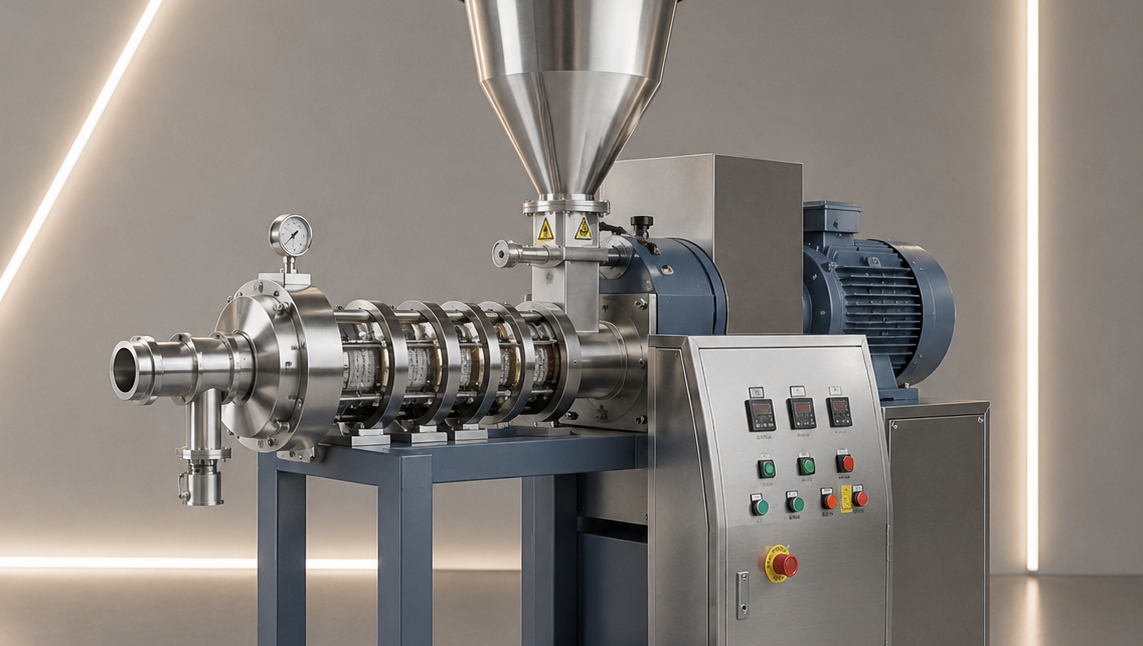
A cryogenic grinding line usually includes feeding, cooling, grinding and separation equipment, as well as liquid nitrogen storage and controls. Plan floor space, ventilation and the route for liquid nitrogen delivery early.
5. Safety and Training
Liquid nitrogen brings cold-burn and oxygen-depletion hazards. Operators need training, suitable cryogenic PPE and a well-ventilated working area.
6. Customisation
Spice processors’ needs vary widely. Spectra Cryogenic Systems offers customisation of cryogenic grinding systems to suit the material and processing requirement.
Questions to Ask a Cryogenic Grinding Supplier
- Which characteristics of my spice make cryogenic grinding relevant, or not?
- How is the material cooled before and during grinding?
- How is liquid nitrogen controlled, and what affects consumption for my material?
- How is the system cleaned when switching between spices?
- What utilities, space and ventilation does the system need?
- Can the system be customised for my material and output requirement?
- What installation and technical support is available?
Frequently Asked Questions
Why is cryogenic grinding used for spices?
Cryogenic grinding uses liquid nitrogen to cool spices before and during grinding. This helps limit heat during grinding, which can help protect volatile oils and aroma and makes oily material easier to grind.
Is cryogenic grinding suitable for oily spices?
Cryogenic grinding is often evaluated for oily and greasy spices, because chilled material is firmer and tends to fracture rather than smear. Suitability depends on the specific material.
Is cryogenic grinding always better than conventional grinding for spices?
No. It is most useful where heat, aroma loss or clogging are real problems. For some spices, conventional grinding may be sufficient.
Can a cryogenic grinding system be customised for my spices?
Yes. Spectra Cryogenic Systems offers customisation of cryogenic grinding systems to suit your material and processing requirement.
Discuss Your Spice Grinding Requirement
Spectra Cryogenic Systems Pvt. Ltd. offers cryogenic grinding systems for heat-sensitive, oily and aromatic materials such as spices and herbs, with customisation to suit your requirement. To discuss your spices and quality goals, call +91 98290 89936 or email spectracryo@yahoo.com.